
A client used ChatGPT to write a book – here's what no one tells you
Just recently, a few potential author clients spoke to us about using ghostwriting services before suddenly making an announcement: “It’s okay. I now plan to use Chat GPT to write my book for me.”
As a ghostwriter, it’s hard to know exactly how to react. If we say: “No don’t!!” it may look like sour grapes. After all, many people seem convinced ChatGPT can write books brilliantly and obviously that is cheaper than paying a ghostwriter to do it. If we try and persuade a client otherwise, they may suspect we simply want the work ourselves. But if we say: “Good luck!” it might look like we endorse the use of AI, even believing it may do a better job than if you were to hire a ghostwriter.

As a ghostwriter, it’s hard to know how to react when someone talks about using ChatGPT to write a book
AI’s great flaw
No doubt AI is able to help when writing a book. It distills ideas. It comes up with new ones. It rewrites text, sometimes, often even, better than many wannabe writers can. It unjumbles thoughts and smoothes sentences. It even makes you feel clever, often because it tells us our ideas are good, or spurs us on to ‘go deeper’ so we ask it more and more questions.
Recently, I saw someone on social media ask why AI models are free to use and someone replied: “The first hit is always free…” Yes, AI is also pretty addictive.
But it, (and the clue is in the word ‘it’ here), it’s got one huge stonking great flaw. AI is not human and it never will be.

LLMs like ChatGPT, Claude and Gemini ‘do not understand what they produce’
Why ChatGPT cannot write a brilliant book
In a world where great leadership is a depressingly rare thing, it was the Pope who has suddenly spoken out about AI. He is not a leader who appears anti-tech but he is pro-human and pro-humanity, which, let’s face, is what most of us are.
Here’s exactly what Pope Leo XIV wrote (extracted from his major document on AI. The encyclical “Magnifica humanitas”):
“So called artificial intelligences, do not undergo experiences. They do not possess a body, they do not feel joy or pain, do not mature through relationships and do not know from within what love, work friendship or responsibility mean nor do they have a moral conscience that says they do not judge good and evil, grasp the ultimate meaning of situations or bear responsibility.
“They may imitate language behaviour and analytical skills or even simulate empathy and understanding but they do not understand what they produce for their lack the affective relational and spiritual perspective through which human beings grow in wisdom and even when machines excel in efficiency, a human face that asks to be gazed upon remains the centre of our history.”
Wow. If there was ever a mic drop moment on AI, this must be it. In a few short sentences the Pope explained what AI is better than any Tech-Bro ever has. And I am fairly sure AI didn’t write this, a human being did.
Here the Pope crystallises so brilliantly why AI cannot write a brilliant book. ChatGPT or Claude or DeepSeek does not feel joy or pain. It can only imitate. The machine doesn’t judge good and evil. It can only simulate empathy and understanding. It’s why AI throws up cliches, or uses the same words or phrases (“quietly”) over and over again. It’s also why AI can write your book for you, but it’s going to sound like many other books, rather than a reflection of the uniqueness of you and what information you want to share.
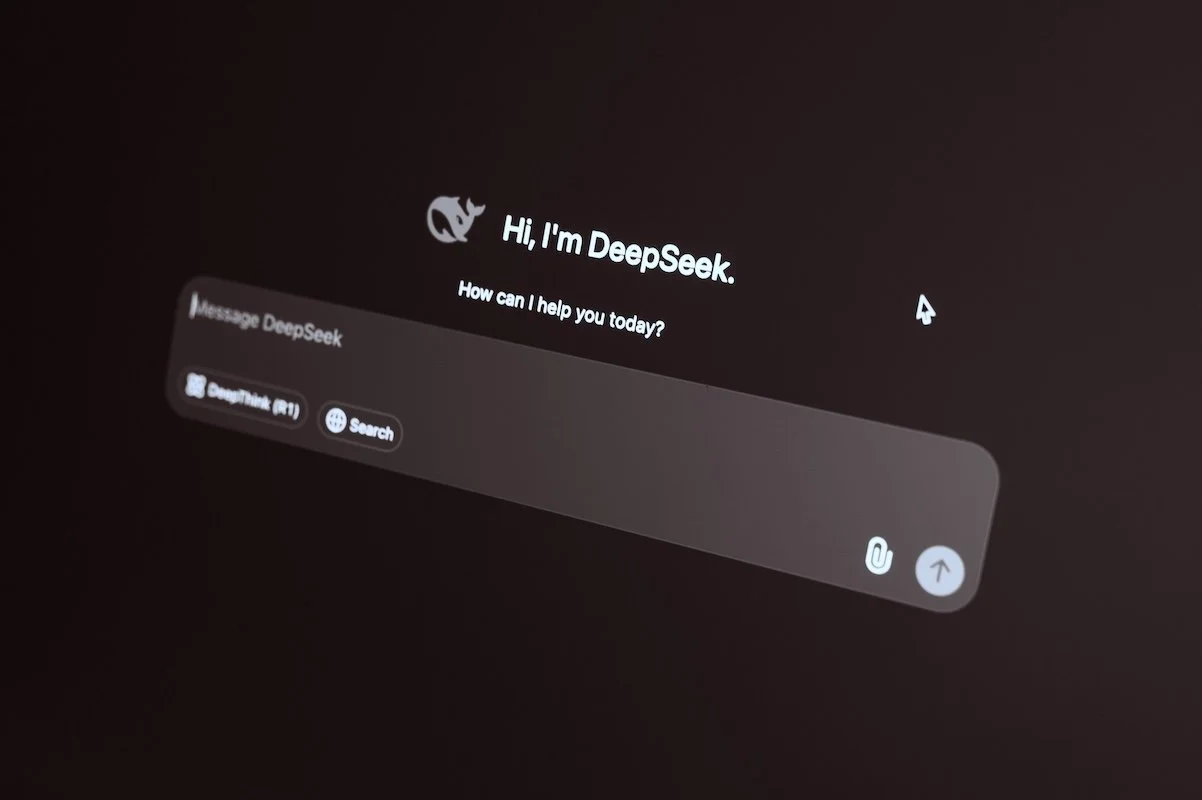
AI simply cannot write brilliant books
Testing ChatGPT to write a book
I have experimented with AI a lot recently because I wanted to know what the true nature of this robotic animal is. I don’t use it to ghostwrite books of course, but I have experimented asking it to rewrite words I have written to see what the beast offers and what its limitations are. I want to know why it is seen as our natural competitor, when it clearly has so many limitations.
This is what I discovered.
When I listen to my clients’ stories in interviews, I’m not just hearing words—I’m one human being sitting across from another, listening with empathy, feeling my way into their experience. Then, when I come to write it all down, I often find myself reliving their story through my own lens as a ghostwriter, especially when the aim is to shape something that will connect and succeed commercially.
But I’m also trying to go deeper than that. I’m trying to walk in their shoes, to capture their voice as faithfully as I can, and to honour the emotion behind their experiences—choosing words and tone that feel honest, human, and true.
And then I think about the other side of the page: the reader. Who are they? What are they carrying into this story? What will speak to them, move them, stay with them long after they’ve finished reading?
In that way, I become a bridge between two worlds—the author sharing their truth, and the reader searching for meaning, inspiration, or connection. And I sit somewhere in between as a fellow human being, doing my best to hold space for both, guided by the shared experiences we all have of love, loss, joy, and pain. As artificial intelligence continues to evolve, it raises an interesting question: can technology ever truly replicate that deeply human exchange?
Hold it right there, See the four paragraphs above? I used AI to write them. Can you tell? Maybe, maybe not, but read on. In the two paragraphs below, these are the words I actually wrote using my own brain, fingers and heart before it got run through the machine:
When I listen to the stories of my clients during interviews, I am a human face listening. I am a human being feeling. When I go to repeat those words on a page, I often live the experience again, through my own lens as a ghostwriter. I am a professional who is hoping to make the book a commercial success ( if this is what the brief is) and aiming to capture a voice of a client. Also, I am a living breathing human connecting with another living breathing human being. I empathise with their experiences to help land on the right word, tone, or heartfelt passage. I am able to imagine how the author feels or felt. I listen deeply so they can sense I understand and are comfortable to share more. When I write I get lost in the flow.
I am considering the human being, the human face of my author, but also the potential face reading the pages too. Who will be the reader? What would they like, as a human being, to know? I am the conduit between the author who wants to share their story and the reader who needs to be inspired, entertained or informed by this book. I am the connection.
The author’s humanity is shared with me and by being human I can reflect it back to them. Will AI ever be able to do the same?

Would you rather a computer without a soul write your book or have a person with the soul write it?
Your story deserves more than ChatGPT
Can you spot a difference between the warmth and authenticity of my writing compared to AI? This is what attracts readers, it’s what writes bestsellers. Will AI ever be able to capture words written by a human soul, I doubt and so does the Pope.
Think about it. Would you rather a computer without a soul write your book or have a person with the soul write it? The Pope made it as a simple as that, because it really is.